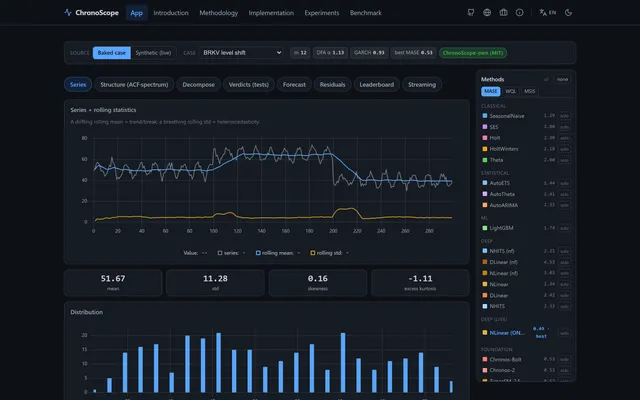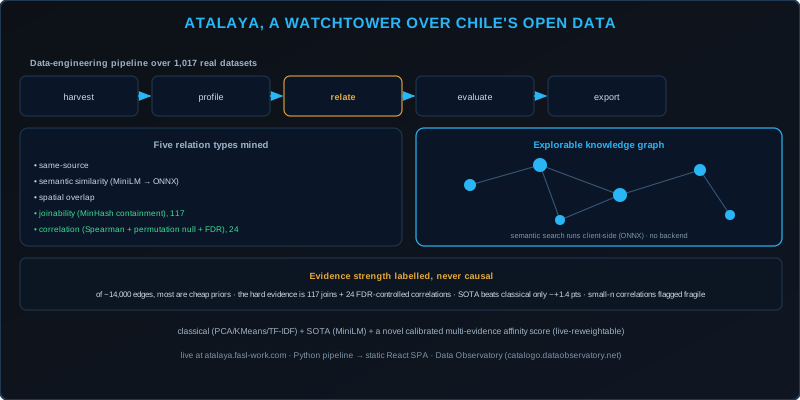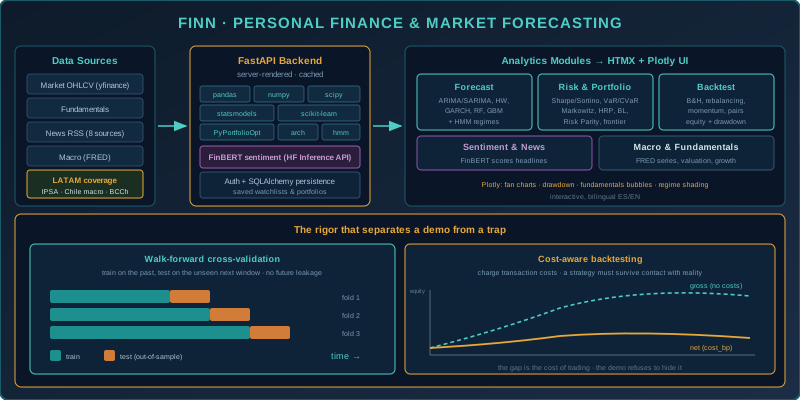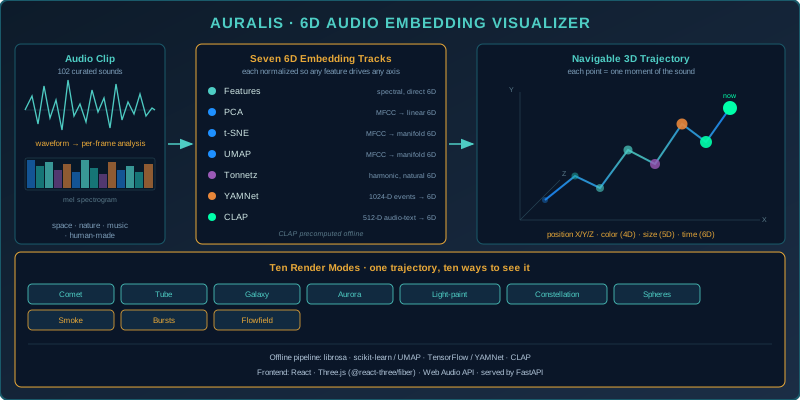
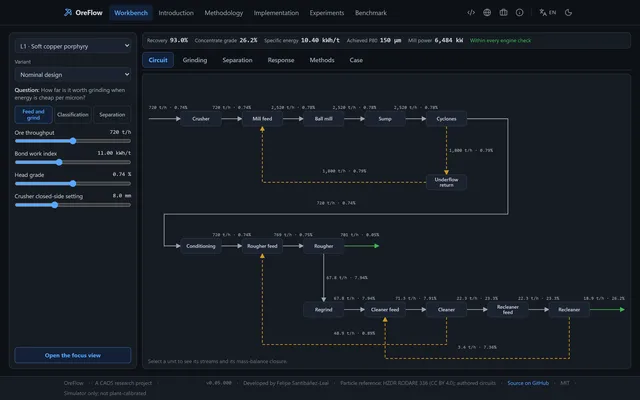
Mine Pile Visualizer — Stockpile & Circuit Topology Explorer
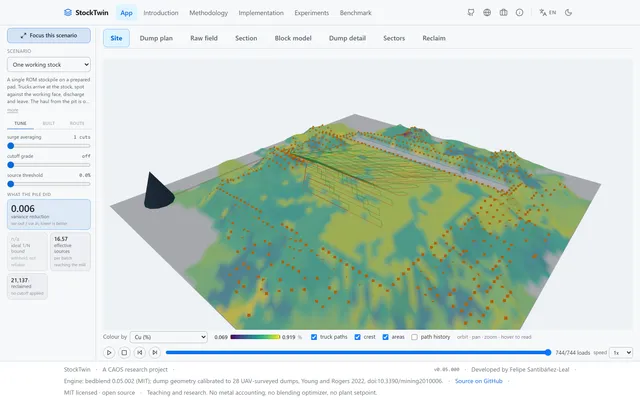
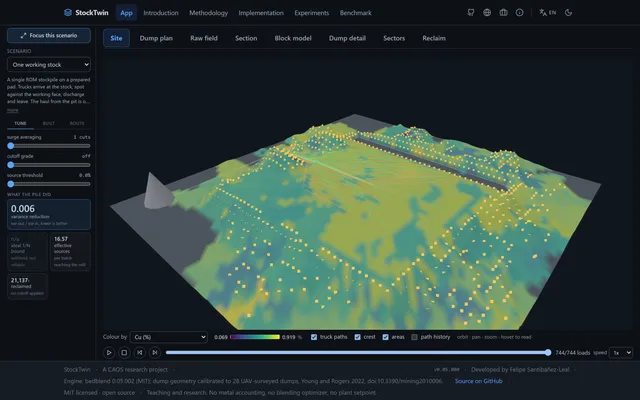
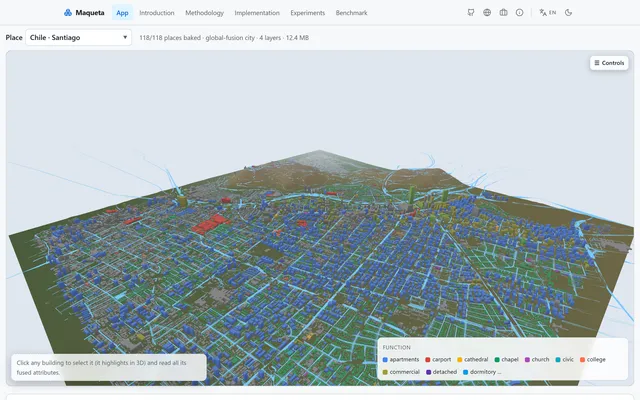
A local-first web app for exploring mining circuit topology, live material state, stockpile 3D structure, and historical profiler data. Built on Next.js 16 with React Three Fiber.
Our Work
Engineering prototypes, software products, and technology solutions
A local-first web app for exploring mining circuit topology, live material state, stockpile 3D structure, and historical profiler data. Built on Next.js 16 with React Three Fiber.
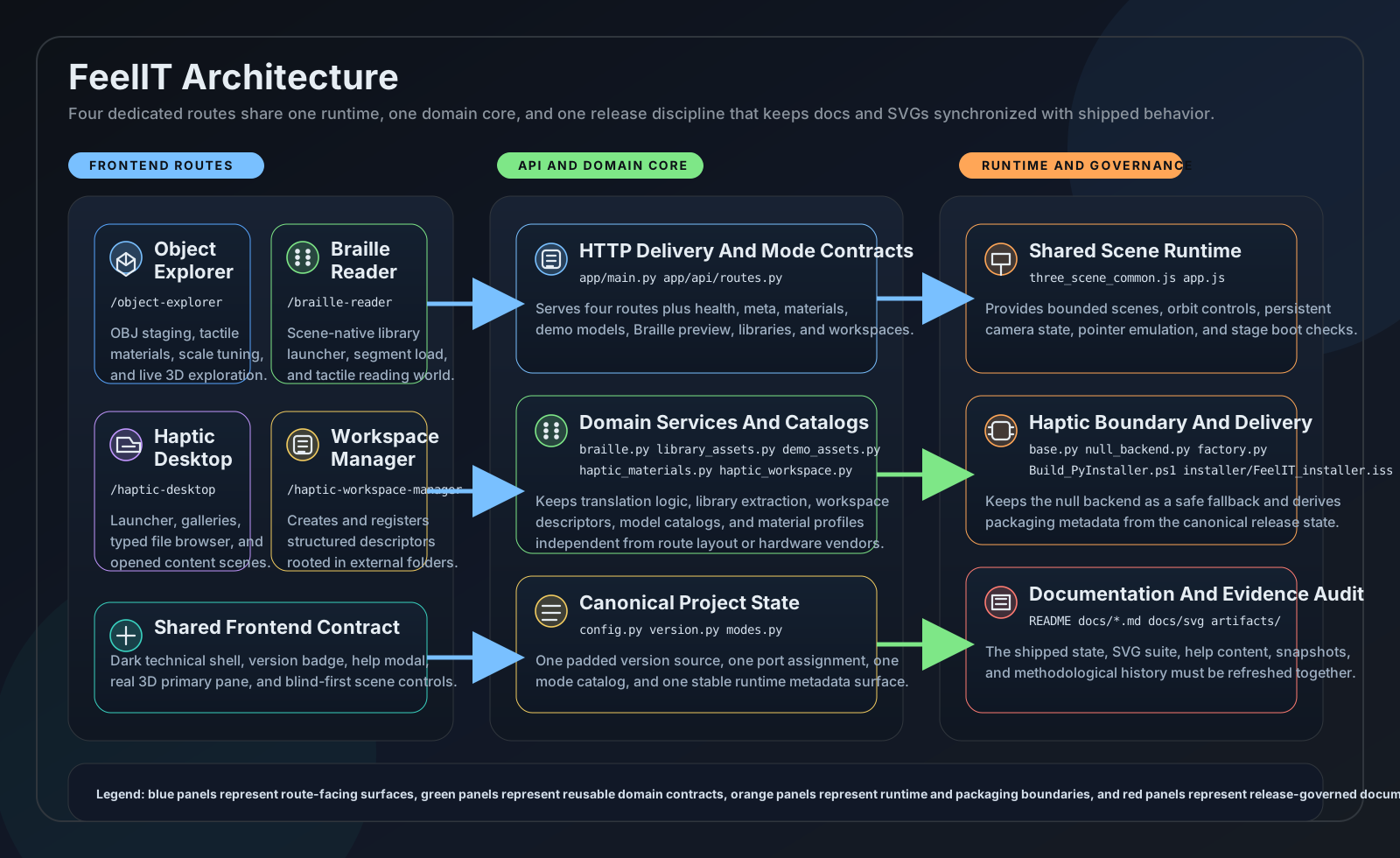
A web-based haptic accessibility workbench enabling visually impaired users to explore 3D objects through touch, read Braille text in immersive 3D environments, and navigate a haptic desktop. The modern realization of a vision begun in 2008.
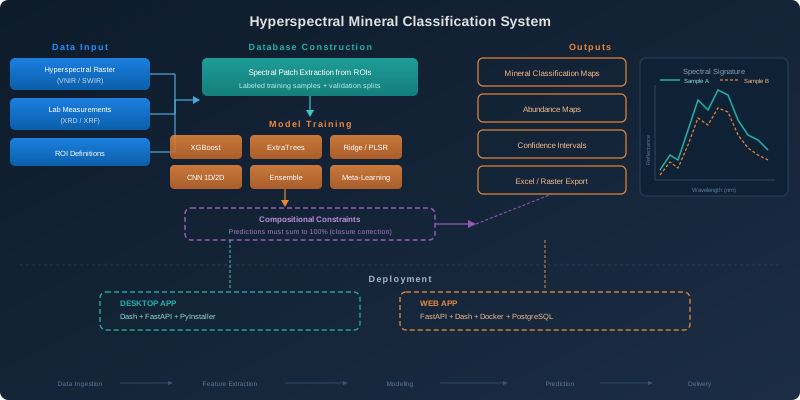
A machine learning platform for classifying minerals and estimating abundances from hyperspectral imagery (VNIR/SWIR). Compresses turnaround from days to minutes for routine mineralogical characterization.
A full-stack platform for tracking and forecasting crusher liner wear from raw 3D laser scan data through to production deployment. Replaced manual caliper measurements with automated 3D point cloud analysis.
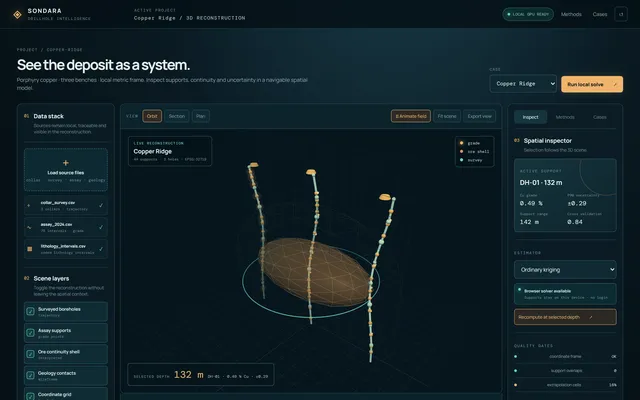
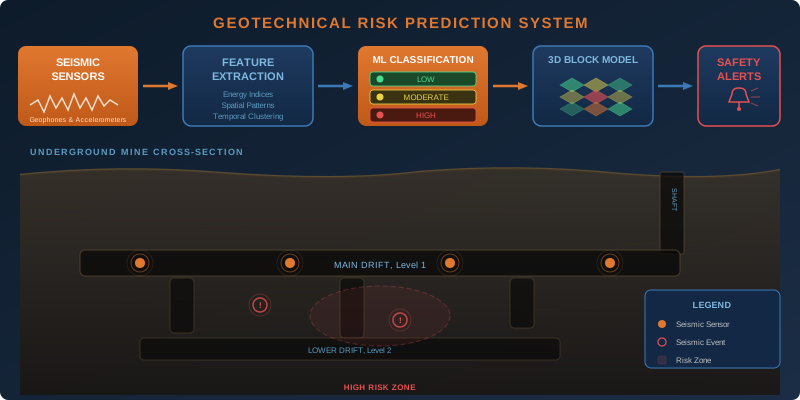
A machine learning system for predicting geotechnical hazards — rockburst and slope instability — in underground and open-pit mining. Provides weekly systematic risk assessment with SHAP-based explainability.
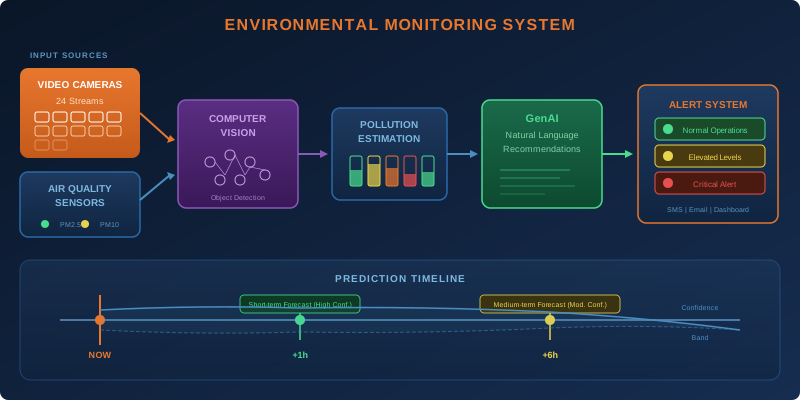
An environmental monitoring system combining computer vision, predictive modeling, and Generative AI to detect, forecast, and mitigate pollution events at mining operation sites. Achieved 15% reduction in severe alert events.
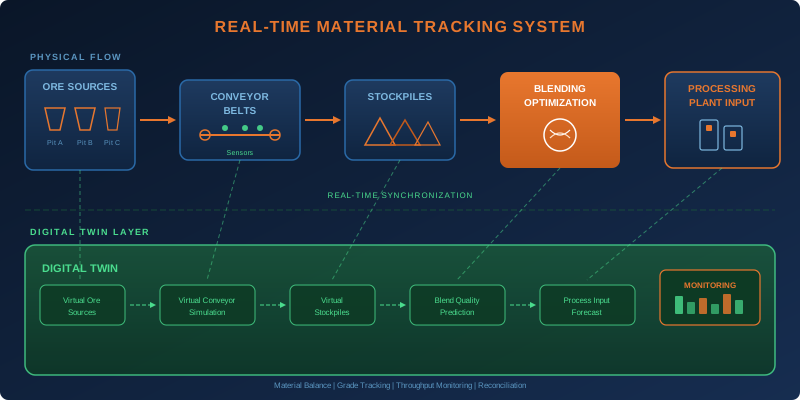
A real-time material tracking and blending optimization system maintaining a digital twin of ore flow from mine pits through conveyors and stockpiles to processing plant inputs. Significantly improved blending compliance.
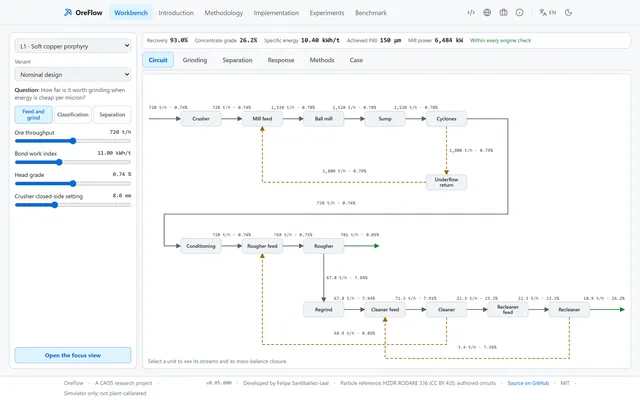
An end-to-end ML platform for optimizing mineral processing — SAG milling, flotation, thickening — deployed across multiple mining divisions. Delivered +100 TPH throughput uplift and measurable copper recovery improvements.
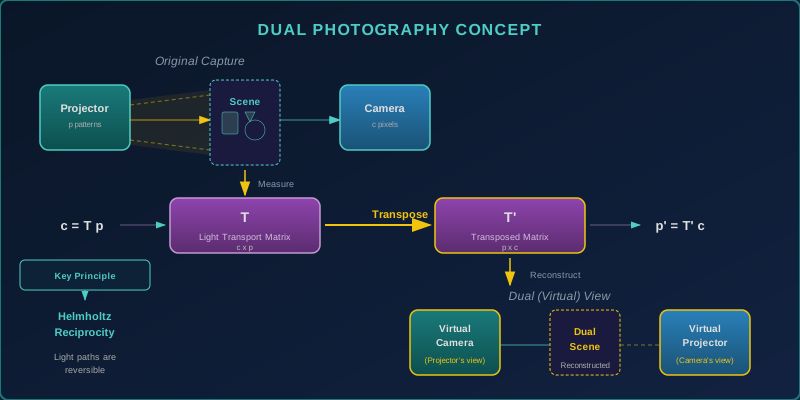
An interactive application implementing the dual photography technique — reconstructing how a scene looks from a projector's point of view using light transport matrices, SVD decomposition, and Helmholtz reciprocity.
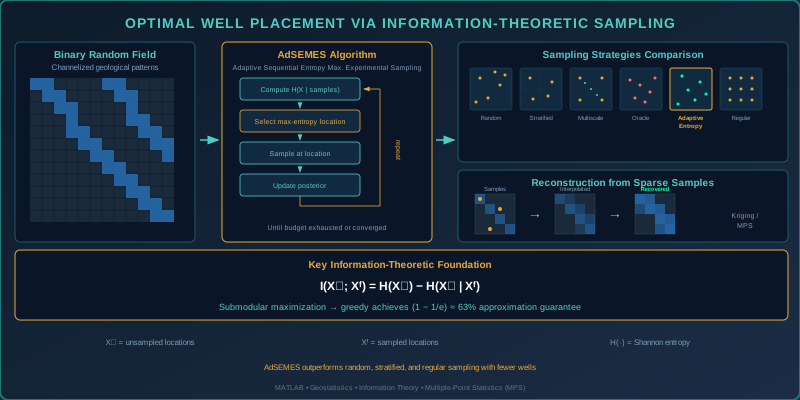
Doctoral thesis addressing optimal sensor placement — where to place N measurements to minimize posterior uncertainty in binary random fields. Introduced AdSEMES algorithm with submodularity guarantees. Published in Mathematical Geosciences and Natural Resources Research.
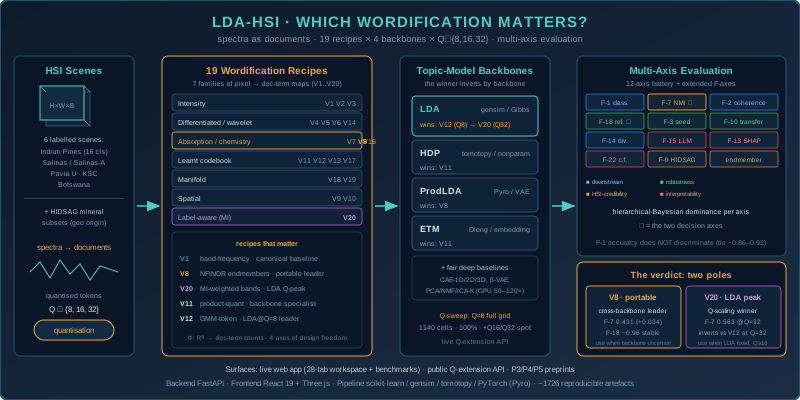
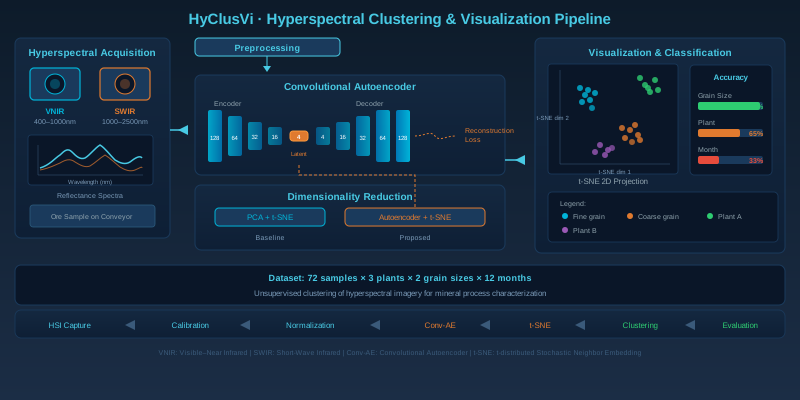
Deep autoencoders combined with t-SNE for transforming raw hyperspectral data into interpretable visualizations. Achieved 95-97% accuracy for grain size classification from mining comminution feeders.
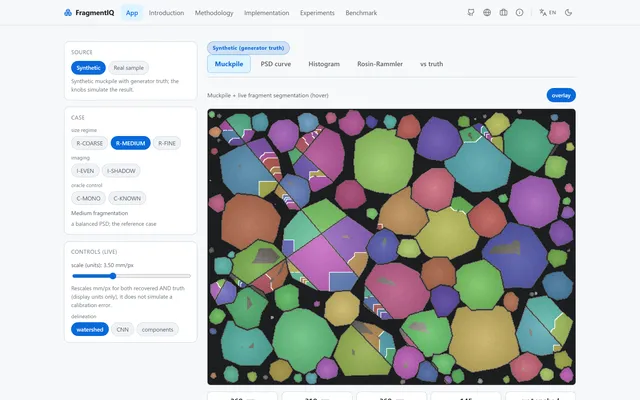
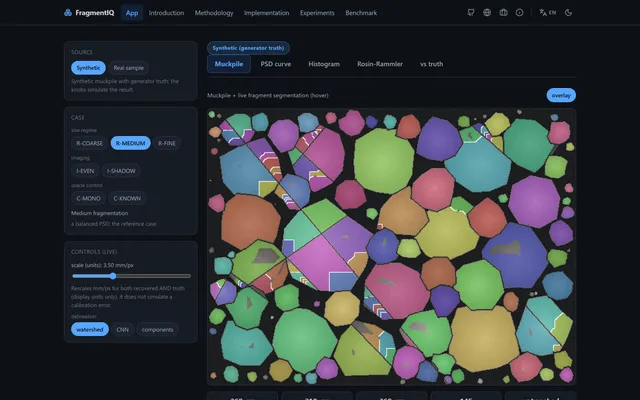
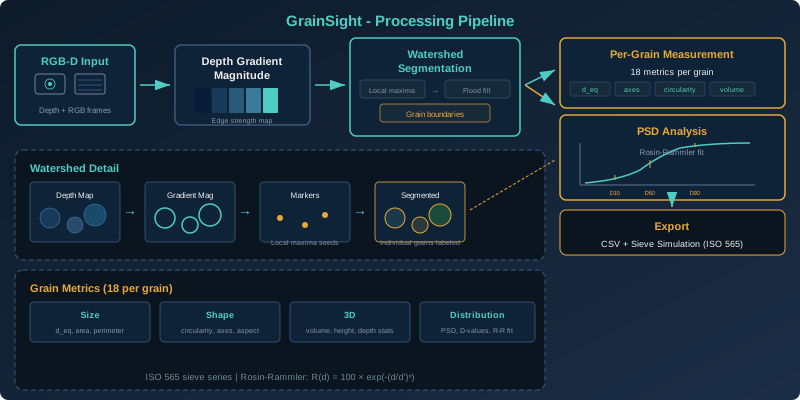
A 3D particle size and granulometry analyzer using marker-based watershed segmentation on RGB-D data. Extracts 18 geometric properties per grain and fits Rosin-Rammler PSD distributions with ISO 565 sieve simulation.
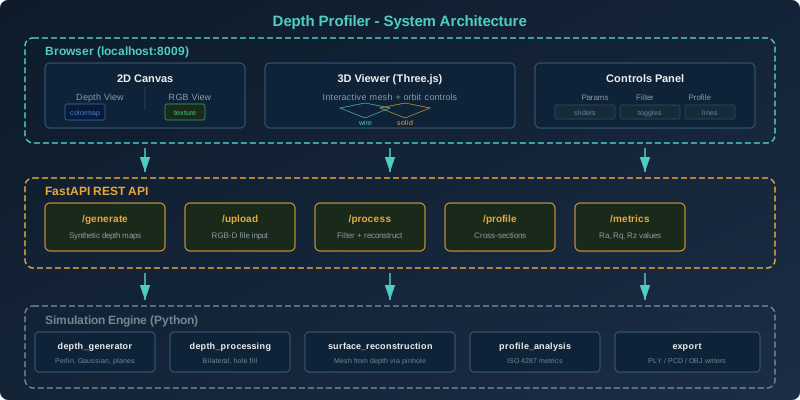
An RGB-D depth profiling system for analyzing mineral sample surfaces. Creates 3D reconstructions via pinhole camera model with bilateral filtering, normal estimation, curvature computation, and ISO 4287 roughness metrics.
Implements the AdSEMES algorithm for optimal spatial sampling in binary random fields — specifically channelized geological reservoirs. Companion code to published papers in Mathematical Geosciences and Natural Resources Research.
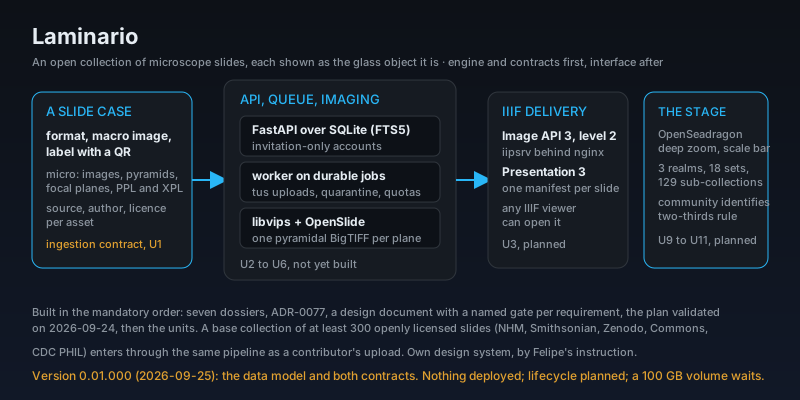
A digital platform integrating education with virtual microscopy, making optical science accessible through low-cost 3D-printed microscopes ($50-100 vs $2,000+ professional) and web-based visualization tools. Backed by Start-Up Chile and Microsoft Imagine Lab.
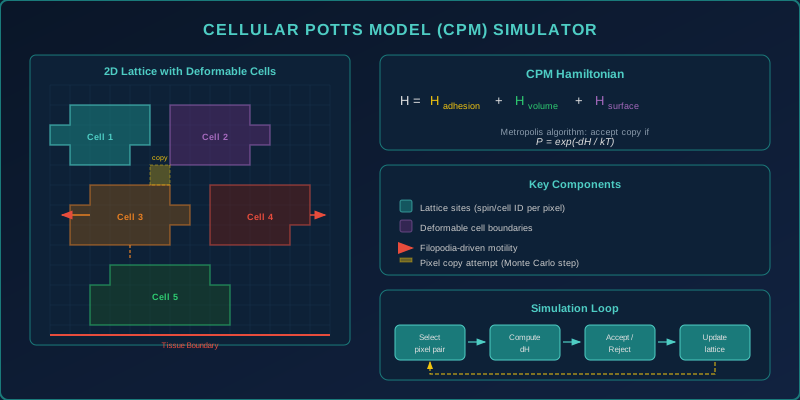
A CPM simulator for modeling collective migration of Dorsal Forerunner Cells during zebrafish development. Cells as deformable bodies on a lattice with Gaussian filopodia, durotaxis, and contact interactions at 10-50 FPS.
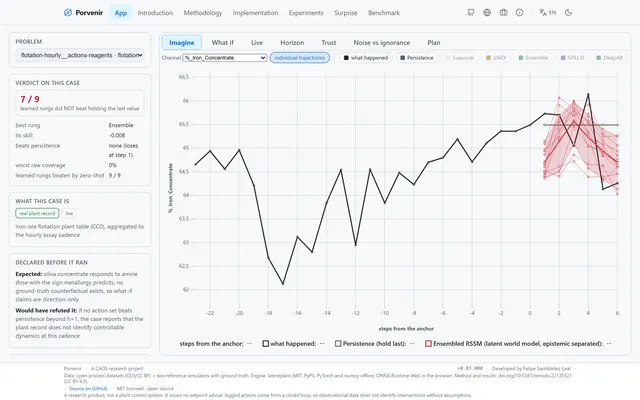
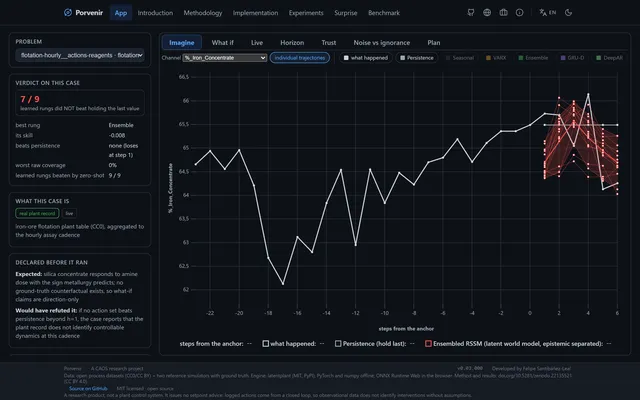
The original FeelIT project — a digital environment with tactile feedback for blind users to explore virtual objects through relief information. Pioneered a 10×10 electromagnetically controlled pin-array display and servo-motor haptic devices.
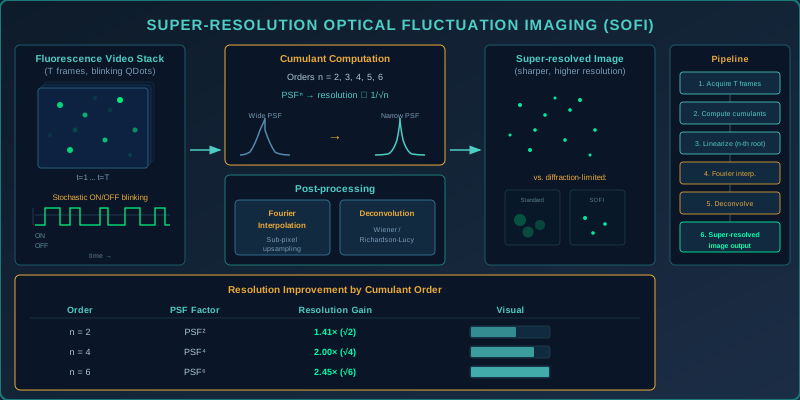
Implements SOFI — a computational super-resolution technique extracting sub-diffraction spatial information from temporal fluorescence fluctuations of quantum dots. First successful SOFI implementation in Chile. Resolves ~120 nm features below the 232 nm diffraction limit.
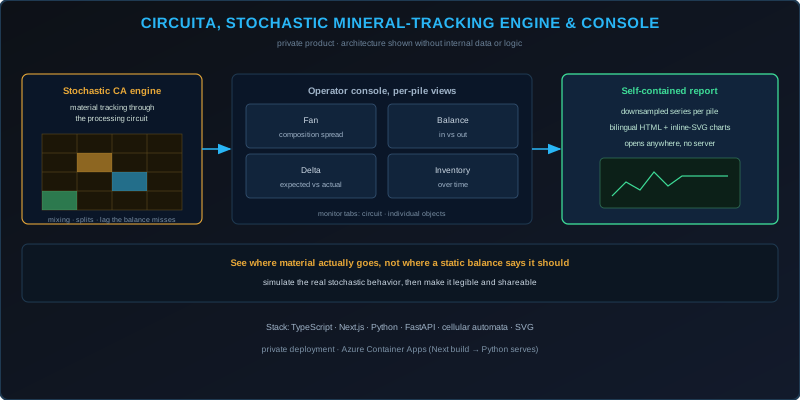
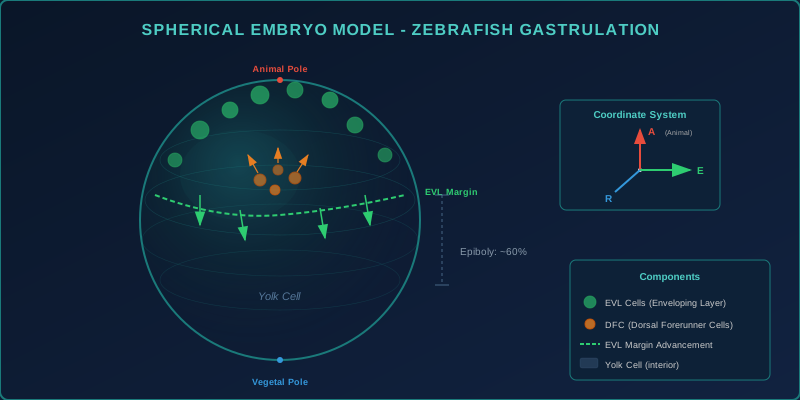
A 3D simulation of Deep Forming Cell collective migration on the surface of a spherical zebrafish embryo during epiboly. Uses AER coordinate system with WebSocket streaming and Three.js visualization.
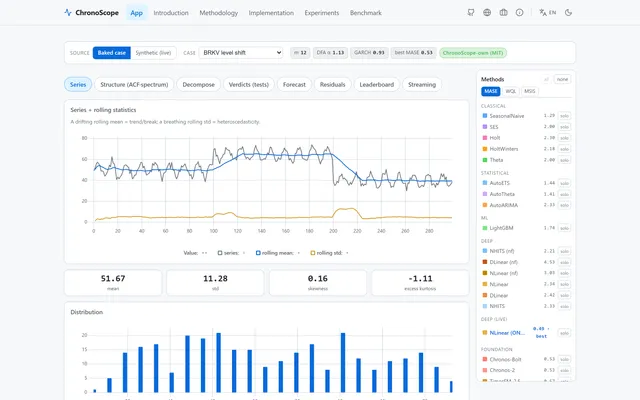
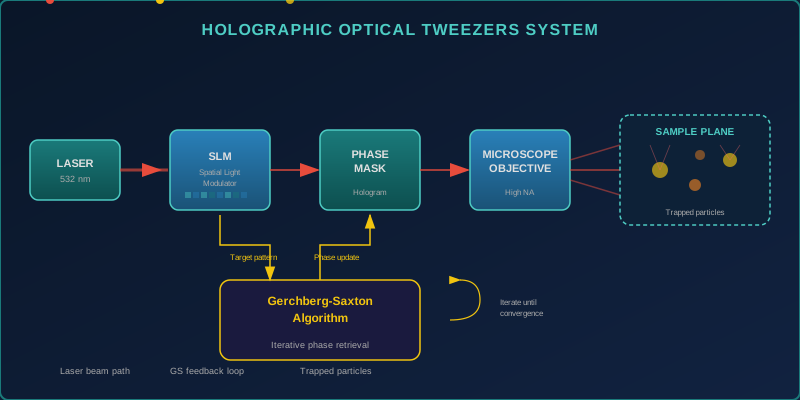
Real-time computation and visualization of holographic phase masks for optical tweezers systems. Implements the weighted Gerchberg-Saxton algorithm for shaping laser beams into multiple focused traps to manipulate microscopic particles.
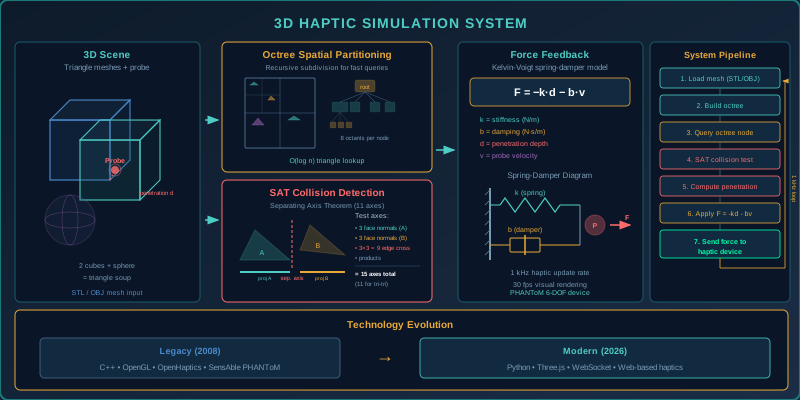
A 3D simulation system recreating haptic interaction with virtual objects. Uses octree spatial partitioning (O(N log N)) and Separating Axis Theorem for collision detection with spring-damper Kelvin-Voigt force model.
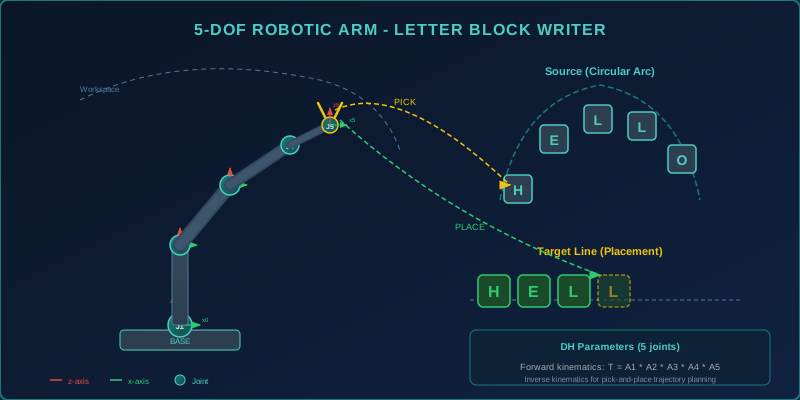
A full simulation and control environment for a 5-DOF Scorbot III robotic arm that picks letter blocks and spells words. Uses Denavit-Hartenberg convention with analytical closed-form inverse kinematics for real-time performance.